Detecting compressed air leaks in industry ➟ best measuring equipment in 2026
Read more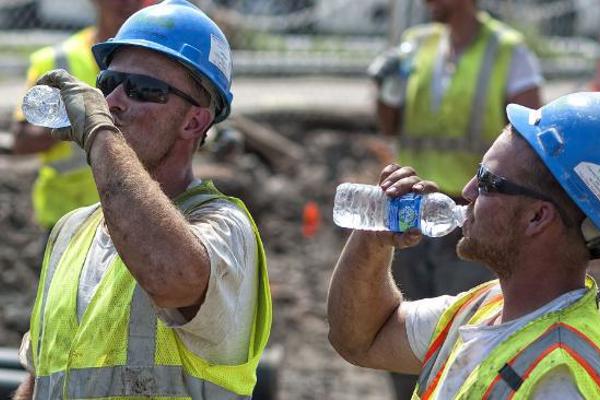
Measuring heat stress in the workplace
Heat stress in the workplace is no longer a side issue. During warm spells, employees in warehouses, production halls and on building sites are at immediate risk of health complaints and loss of productivity.But when are you, as an employer, obliged to measure heat stress? And more importantly: how do you tackle that in practice without unnecessary costs?
Read more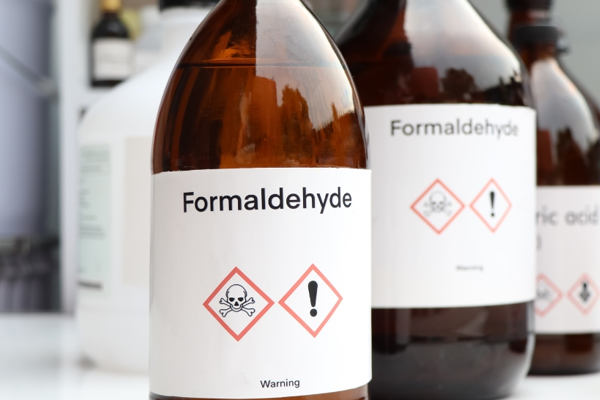
Measuring formaldehyde. Risks, limit values and the best measuring equipment
Formaldehyde is a common volatile organic compound (VOC) found in building materials, furniture, adhesives, paint and some industrial processes. It is an irritant and potentially harmful gas that can affect the eyes, airways and skin, and on prolonged exposure can even cause health risks such as cancer.
Read more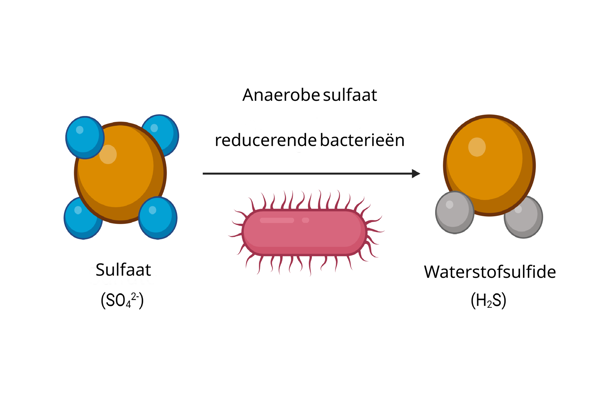
Measuring H₂S in the workplace – Best H₂S detectors 2026 + advice
That typical smell of rotten eggs. Many people know it from the sewer, a manure pit or a biogas plant. What fewer people know is that this sulphur gas is officially called hydrogen sulphide. H2S for short. And that it can be life-threatening. Read on here about the hazards, Dutch legislation, and measuring H2S with the best H2S gas detectors.
Read more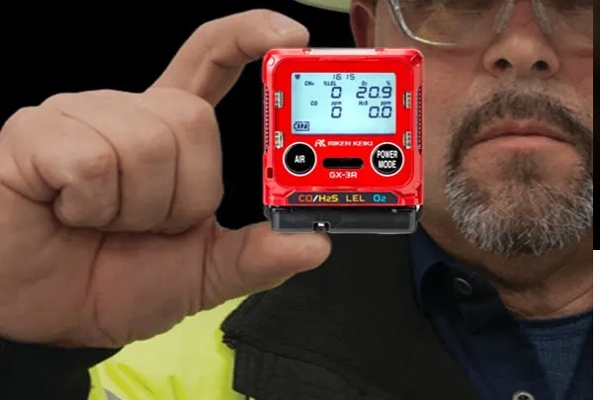
Buying a gas detector. The 3 best gas meters in 2026
On this page we help professionals buy a gas detector for industry, with insight into fixed and portable gas detectors and the key points to consider for a safe and durable investment. If you want to rent a gas detector or have a gas detector serviced or calibrated, BaSystemen is the right place too.
Read more
Professional building acoustics measurement
In a building where different activities come together, such as living, working, education and relaxation, good building acoustics determine comfort and calm. But what exactly does building acoustics involve? Which rules apply? And how do you measure sound reliably and effectively?
Read more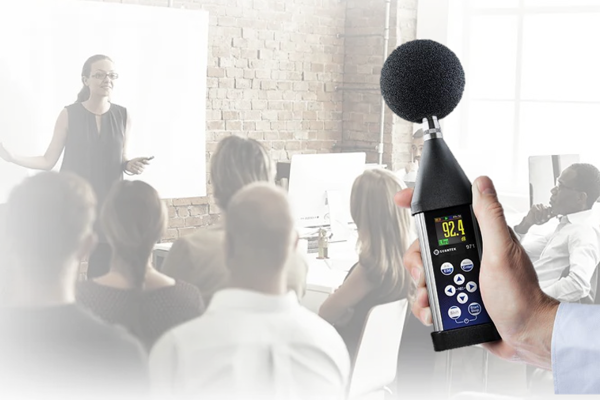
Measuring speech intelligibility with STIPA – how it works
How intelligible is speech in a space? In this blog you can read how to measure speech intelligibility in line with STIPA, which factors play a role, and which functions are useful for accurate and efficient measurements.
Read more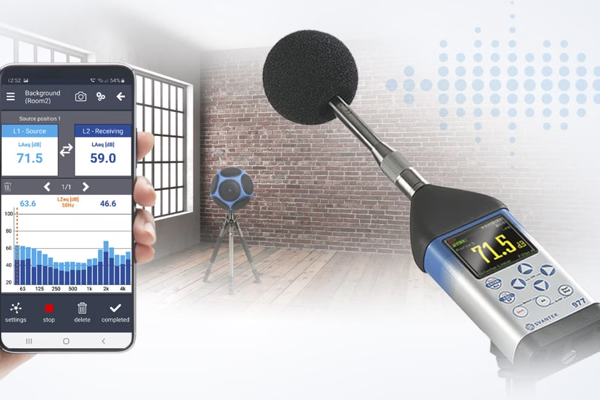
Measuring reverberation time in line with ISO 3382: improve your office acoustics
Poor acoustics in offices often lead to fatigue, loss of concentration and stress. The cause? Often a reverberation time that is too long. In this blog we explain how to measure reverberation time and how to calculate it in line with ISO 3382. With the right equipment, such as the Svantek SVAN 979 sound level meter and a noise source, you carry out an RT60 measurement that lets you easily assess whether a room meets the acoustic standards for offices.
Read more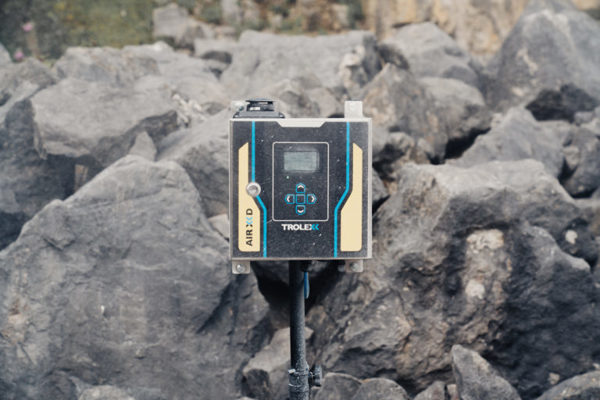
Measuring respirable crystalline silica in the workplace - see all the options here
Silica dust (respirable crystalline silica, RCS) is a silent killer in the workplace. For anyone working in construction, concrete processing, demolition or industry, it is essential to measure and limit exposure to this dust. In this blog you will discover how to measure silica simply and accurately, and why the Trolex Air XS is the best solution for your company.
Read more
Accurate UFP measurement
Ultrafine particles (UFP) are a growing concern in various sectors, including aviation, because of their impact on health and the increasing attention from legislation and regulation. Although ultrafine particles are emitted at high altitude during flight, considerable quantities of these particles are released during take-off and landing. This leads to ...
Read more
Smart Noise Monitoring for Environmental Noise
Since the introduction of the Environment and Planning Act, noise monitoring has become increasingly important for safeguarding a healthy living environment. Whether it concerns traffic, industry, construction and infrastructure or airports, our noise monitoring stations offer the perfect solution for mapping noise impact accurately and reliably. Discover the SV200A, ...
Read more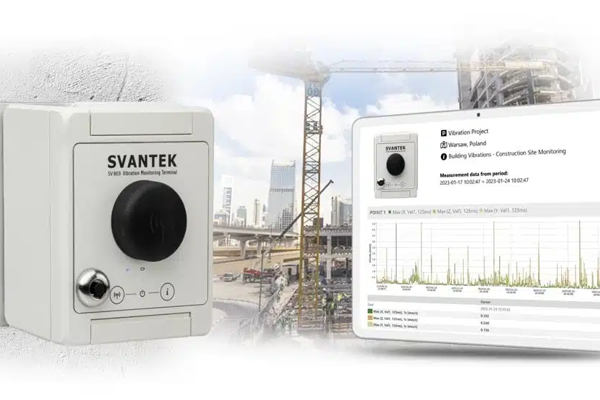
Svantek SV 803 SBR Vibration Guideline Monitor
The SV803 is designed to measure vibrations continuously and accurately, even in demanding conditions. Thanks to its robust hardware and intelligent built-in software, you can rely on dependable performance regardless of the complexity of your project. The SV803 also offers extensive analysis capabilities so you can take immediate action when limit values are exceeded.
Read more
Marine Equipment Directive / MED certified gas detector
The Marine Equipment Directive (MED), also known as the ''Wheelmark'', is a certification mark that applies specifically to marine equipment and products used on ships sailing under the flag of countries that have signed the SOLAS (International Convention for the Safety of Life at Sea) treaty. The Marine Equipment Directive is intended to safeguard the safety of ships and the people on board by setting minimum safety standards for marine equipment. We will cover the following topics: What exactly is the Wheelmark / MED? Why does the MED matter? What does the standard say? Widely used MED certified gas detectors with Wheelmark.
Read more
Measuring ultrafine particles
Ultrafine particles are attracting more and more attention, particularly because of research into their harmfulness to health. Ultrafine particles (UFP) consist of extremely small particles suspended in the air and can originate from a wide range of sources. Long-term exposure to UFP can cause serious health problems, which is why we want to limit exposure. This text focuses on the most important aspects of ultrafine particles: What are ultrafine particles? Why measure ultrafine particles? Possible sources and exposure risks of ultrafine particles. Legislation and standards regarding ultrafine particles. Measuring ultrafine particles.
Read more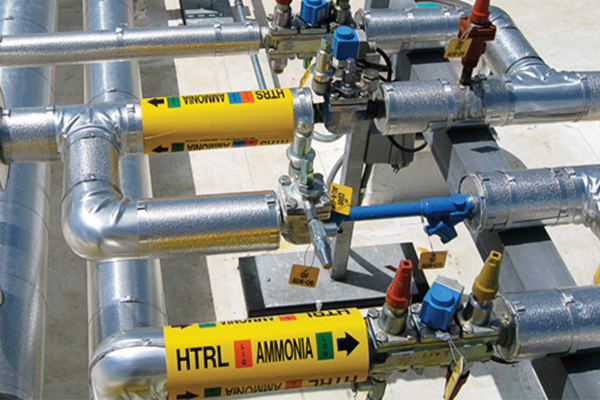
Measuring ammonia
Ammonia (NH3) is a common chemical substance used across a wide range of industries, including refrigeration systems, agriculture, chemical production and cleaning products. Although it has many applications, exposure to high concentrations of ammonia can pose serious health risks. This informative article is a practical guide for occupational hygienists, safety experts and other professionals who want to know more about measuring ammonia / NH3 measurement in order to protect employees from the hazards of ammonia in the workplace.
Read more
Measuring particulate matter in the workplace | Best monitors 2026 + buying guide
In modern working environments, controlling particulate matter is crucial to the health and safety of employees. Particulate matter, made up of tiny particles suspended in the air, can come from a variety of sources and can cause serious health problems after prolonged exposure. This article covers the most important aspects of particulate matter in detail: What is particulate matter? Possible sources of particulate matter. What the Dutch Working Conditions Act says about measuring particulate matter. The best measuring equipment for a safe working environment.
Read more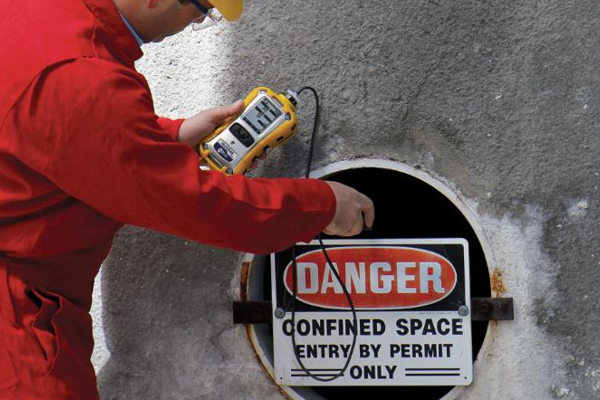
Working Safely in Confined Spaces
Working in confined spaces involves specific risks that require attention and precautions under the Dutch Working Conditions Act. In this informative blog we cover the essential information about working in confined spaces, including the hazards, regulations and the importance of gas detectors for safety. In this article we discuss: What is a confined space? What are the hazards of confined spaces? What do the regulations say about confined spaces? Suitable gas detectors for working in confined spaces.
Read more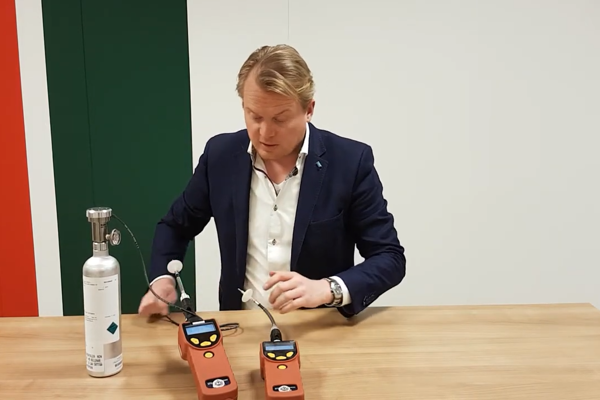
Measuring benzene the right way
Today, part of the Dutch workforce is still exposed to benzene. In some cases industry has not yet managed to replace benzene with a less harmful substance. In certain processes it is also an unavoidable by-product that has to be dealt with. In this article we describe: What is benzene? Where does benzene occur? The hazards of benzene, exposure limits for benzene, how should I measure benzene?
Read more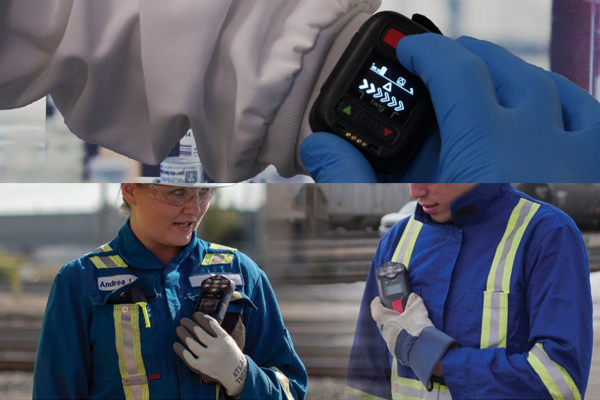
Choosing the best man down system
Thanks to the continuous improvement of processes, both organisational and technical, it is less and less often necessary to carry out a task with several people. However, this positive development also introduces a potential occupational risk, namely the increase in lone working. In this article we discuss the ins and outs of working alone and what you as an employer can do to handle this situation safely.
Read more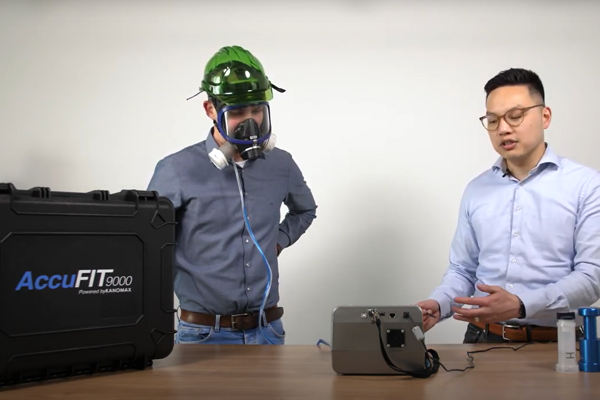
Face Fit Testing Explained
Getting started with face fit testing? In this article we explain exactly how it works. We also give you a number of handy tips to make face fit testing even easier.
Read more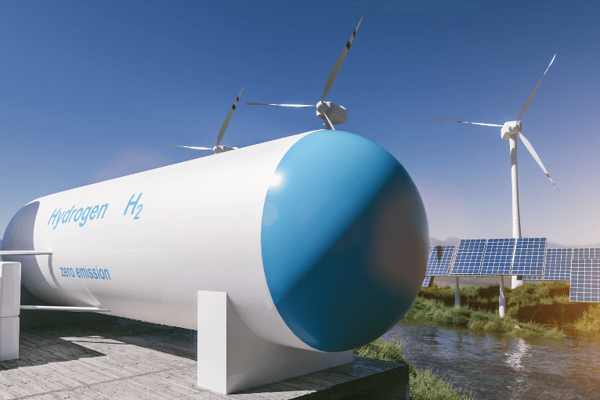
Measuring hydrogen, 3 gas detectors for working safely
You want to measure hydrogen and are looking for the solutions available today. That is why BaSystemen describes in this article: Hydrogen, what is it and where do you encounter it? What are the hazards of hydrogen? What does Dutch legislation say about working with
Read more
Buying a CO2 meter. The 3 most popular measuring instruments
At BaSystemen we have increasingly been asked in recent months about measuring equipment for CO2 / indoor climate. Although the first months of the pandemic focused mainly on keeping your distance and wearing a face mask, this has since been supplemented by the government
Read more
Measuring manure gases. Solutions for working with them more safely
Year in, year out accidents happen in the sectors that deal with manure gases. Asphyxiation, narcosis, poisoning, fire or explosion are all terms that may apply here. In this article BaSystemen explains briefly and clearly: what are manure
Read more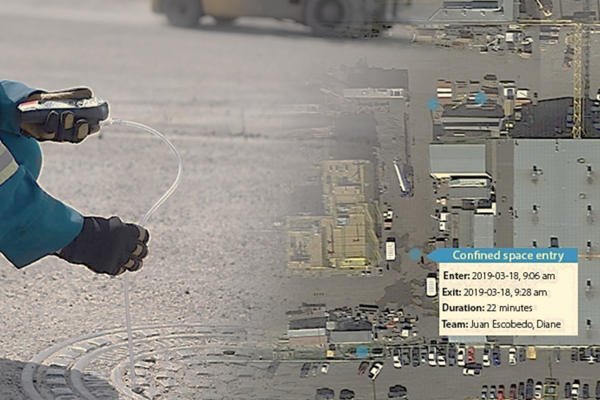
Gas measurement in confined spaces
Measuring gas in confined spaces is perhaps the most common question we get to answer at BaSystemen. In this article BaSystemen covers, briefly and to the point: What do the regulations say about confined spaces? Which options are there to detect gas at an
Read more
Measuring container gases
An estimated 5-10% of the freight containers entering the Netherlands contain toxic gases or vapours. In this article BaSystemen briefly explains: Dutch legislation on container gases, gas measurement, and the follow-up steps you can take at high levels of
Read more
Biogas installations and occupational health and safety law
Biogas installations and occupational health and safety law. We are seeing it more and more often: digesters being closely scrutinised by the inspectorate when it comes to safety and health. Entirely understandable, but not always pleasant. In this article BaSystemen explains briefly and clearly: Hazards
Read more
Measuring explosion risk for dust and gas
The chemical industry in particular, but also the food industry and even farming businesses, has to deal with explosion risk. In this article BaSystemen describes briefly and clearly: the basics of an explosion, Dutch legislation on
Read more
Measuring mercury vapour
We regularly receive questions about mercury, also known as quicksilver. In the Netherlands, several tonnes of mercury are recovered each year as a by-product of natural gas extraction. In this article, BaSystemen covers the essentials: Where do you encounter mercury vapour? What do the
Read more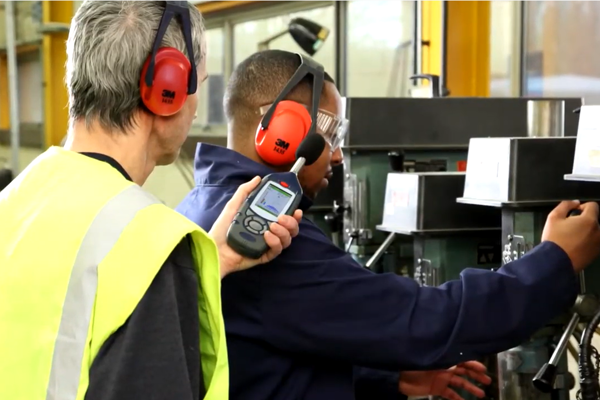
Choosing the right sound level meter for your application
You want to carry out a noise measurement and are looking for a measuring instrument that suits your specific application. When do you use which instrument, and which standard do you have to comply with? The equipment comes in all shapes and sizes, so that
Read more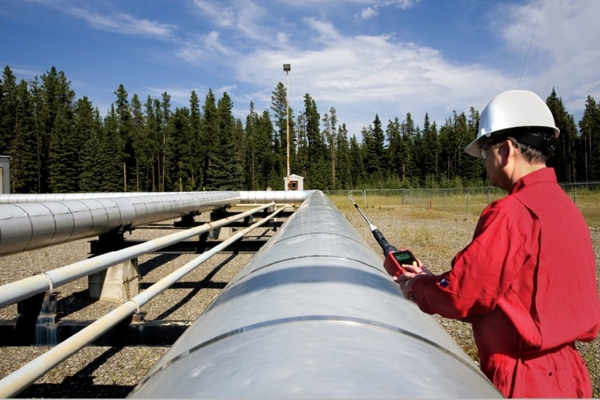
What a PID meter is and how it works
What is a PID meter? In this article we answer that question and explain how a PID meter works. A photo ionisation detector can measure a wide range of volatile organic compounds (VOCs). Gases such as benzene, toluene and xylene are
Read more